
auto injury
How an injury gets documented so it holds up in your claim
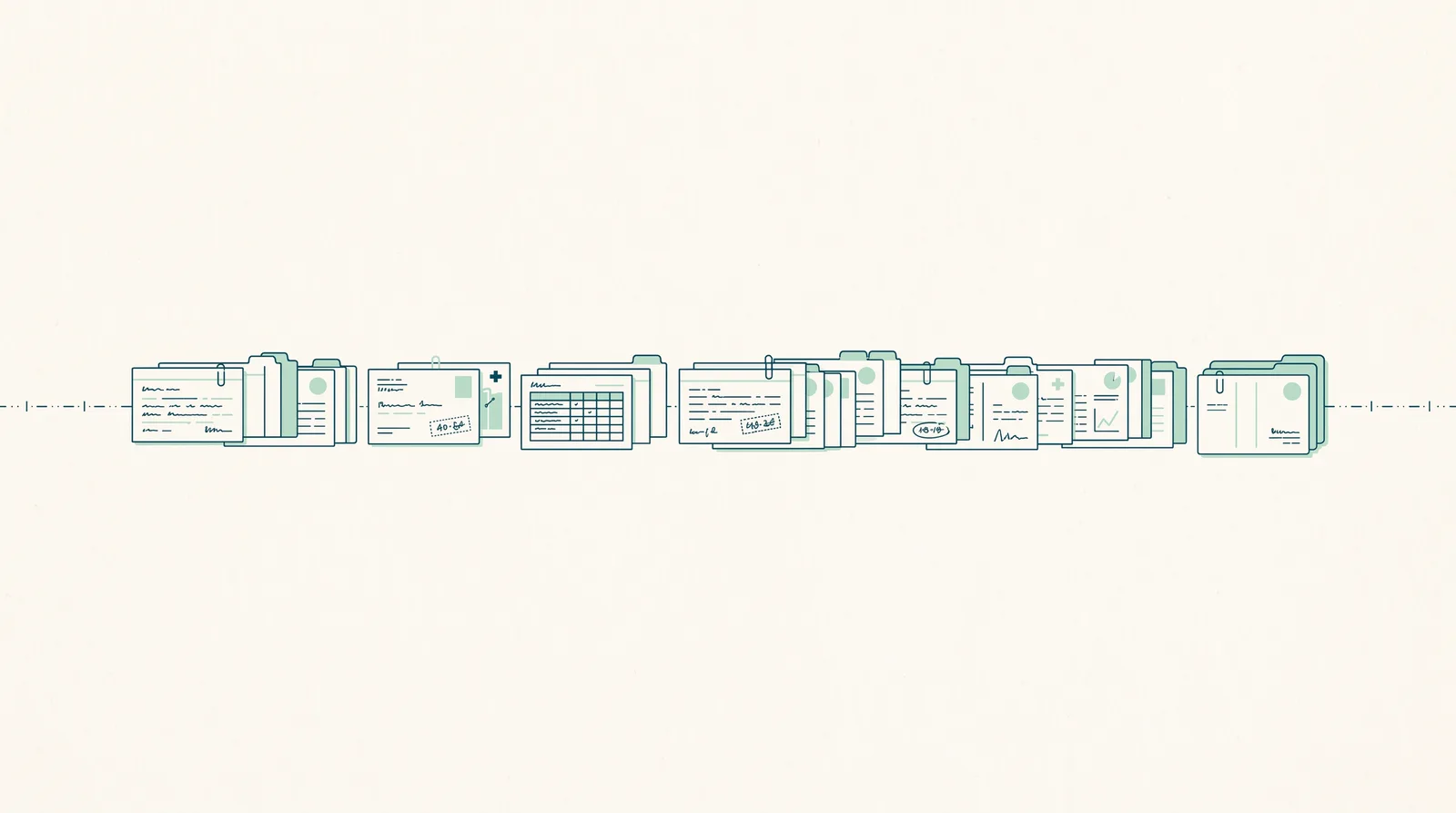
Two people with the same injury can end up with very different outcomes in their claim. The difference is rarely the injury. It is the record.
What whoever reviews the case looks at
- When care started. The gap between the accident and the first visit is the first thing anyone checks.
- Whether the injury is described precisely. "Neck pain" says little. Degrees of restricted rotation, palpation findings and orthopedic testing say a great deal.
- Whether treatment was consistent. Missing half your appointments weakens the case, even if you feel better.
- How it affected your life. If you cannot lift your child, drive more than twenty minutes or finish a full shift, that needs to be written down.
- How it ended. Discharge and final status close the story.
What we put in
Every visit records the reason for the visit, exam findings, what was done and how you are responding. These are clinical notes, dated and written so a third party can follow them: your attorney, the insurer, or any other provider who treats you.
When your attorney requests the file, we send it on time.
What you can contribute
- Tell whoever treats you about everything that bothers you, even if it seems minor
- Be specific about activities you can no longer do
- Do not exaggerate or minimize; both show
- Keep your appointments, and call if you cannot make one
- Save receipts for related expenses

An honest caution
Good documentation guarantees no outcome, and nobody serious will promise you a number. What it does is keep a real injury from going unsupported because the file was incomplete.
(470) 800-4041. Roswell and Tucker, English and Spanish.
General information. Not legal advice.