
auto injury
The neck pain that shows up two days after the crash
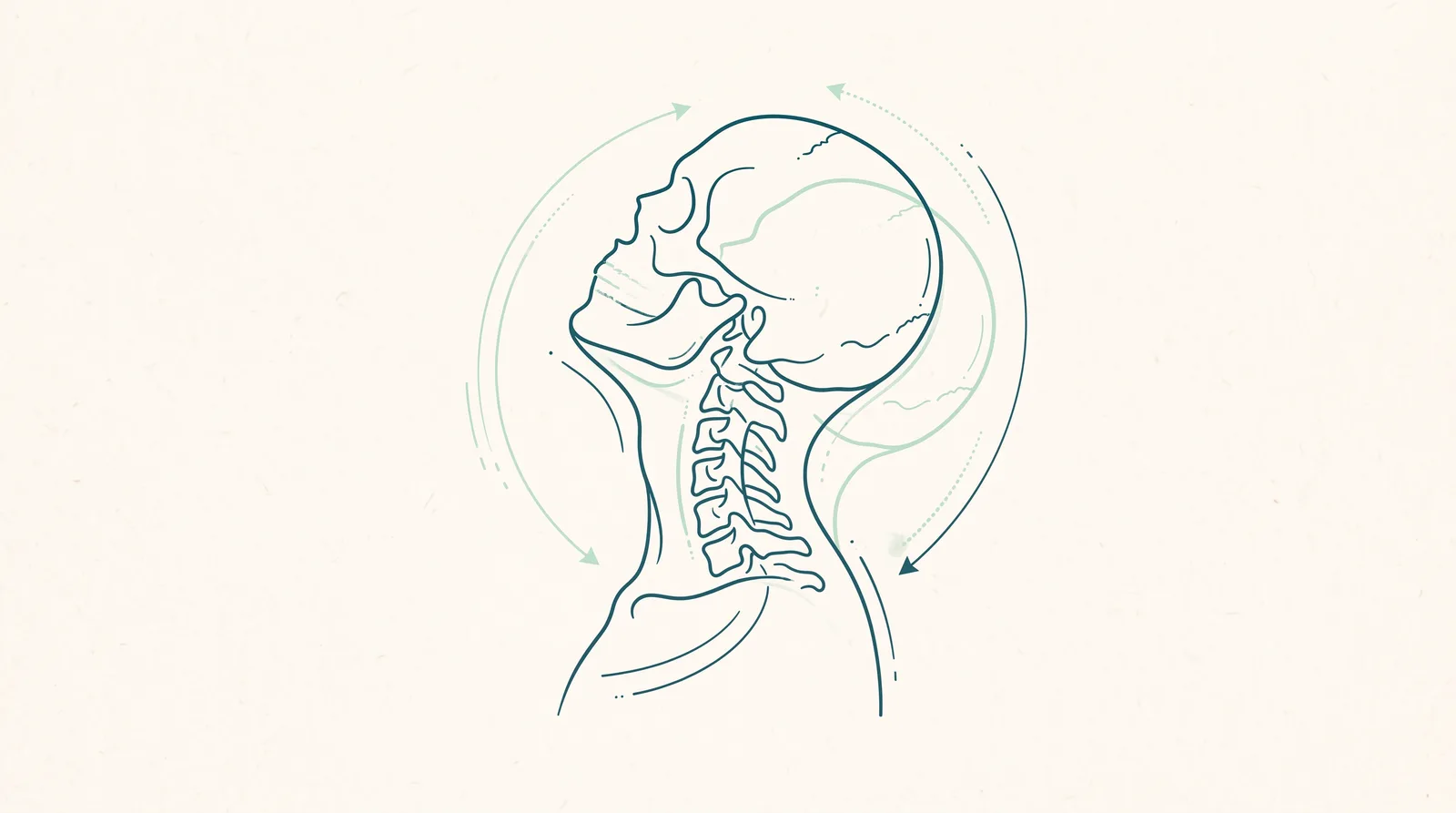
You walked away from the car. Nothing really hurt. You signed the report, called your insurance and went home thinking you got lucky.
Two days later you wake up and cannot turn your head.
It is one of the most common things we see, and it almost always comes with the same question: if it did not hurt the day of the crash, why does it hurt now?
Why the pain arrives late
At the moment of impact your body floods with adrenaline, and that response masks pain for hours. Meanwhile the muscles and ligaments in your neck that stretched suddenly begin to swell, and that inflammation takes time to peak.
That is why whiplash typically announces itself 24 to 72 hours after the accident. The injury is not new. You are only now feeling it.
Signs that need immediate attention
If any of these appear, get medical care right away rather than waiting for an appointment:
- Numbness, tingling or weakness in the arms or hands
- Severe or worsening headache
- Dizziness, blurred vision, or trouble speaking or swallowing
- Pain traveling down the back or into a leg
- Loss of bladder or bowel control
Without those signs, a stiff and sore neck after a crash still deserves an evaluation. What feels like a passing ache can leave you with restricted movement months later.
What an evaluation looks like
We check your range of motion, palpate the area, assess the cervical spine and look for nerve involvement. If imaging or another specialist is warranted, we say so.
Just as important, you end up with a dated record of what we found. That file describes your clinical condition at that point in time, and it is usually what is missing when someone waits weeks before getting care.

Do not wait for it to pass on its own
If you were in a crash this week and your neck feels tight, call us at (470) 800-4041. We see patients in Roswell and Tucker, same day when there is room, and we work in English and Spanish.
This article is general information and does not replace an individual evaluation. If you have a medical emergency, call 911.