
pregnancy
Pregnancy and back pain: what the Webster Technique is
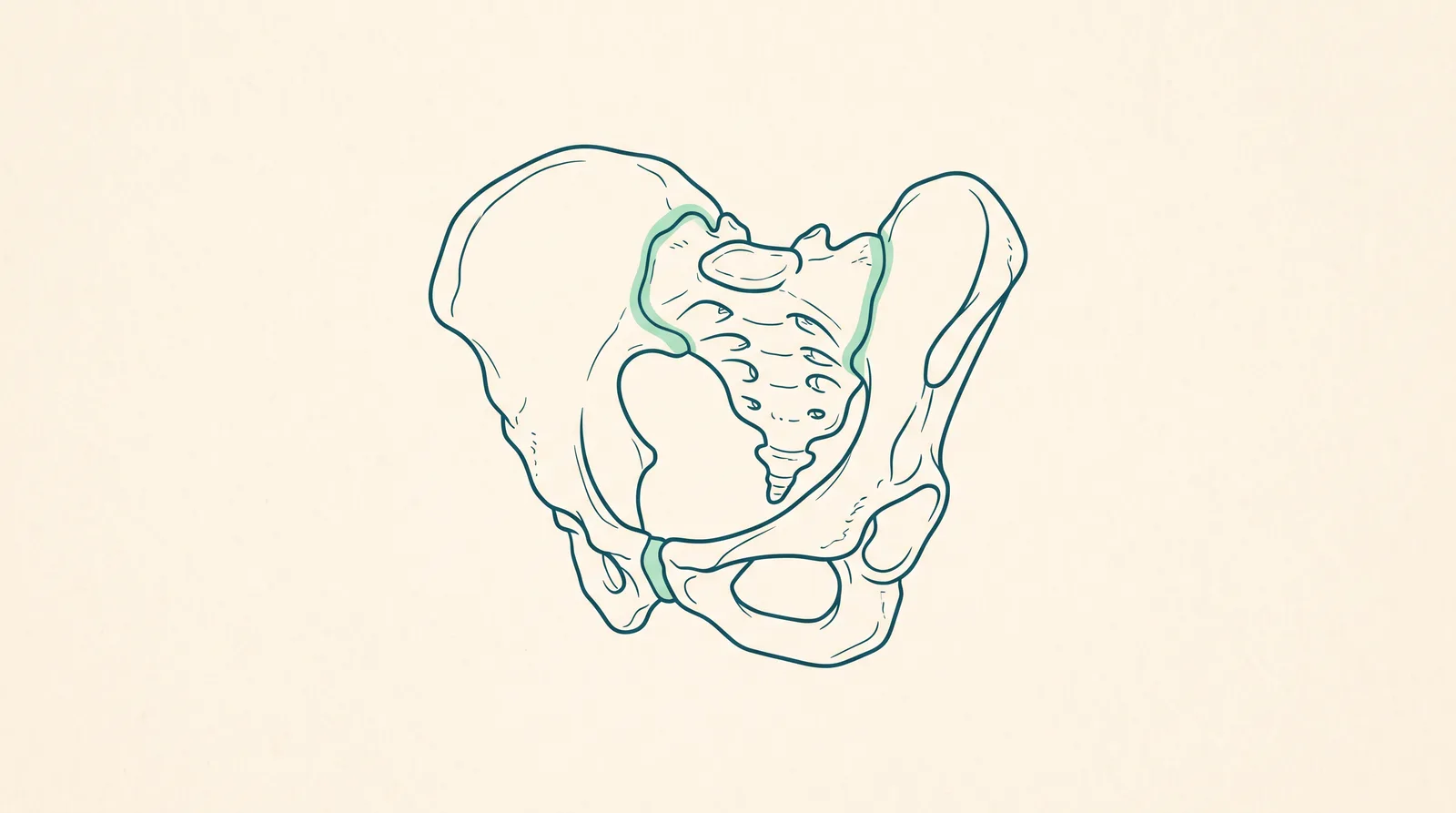
Low back and pelvic pain during pregnancy is extremely common. Common does not mean you have to put up with it.
What changes in the body
As pregnancy progresses, your center of gravity shifts forward and the lumbar curve deepens. At the same time, relaxin loosens ligaments in preparation for birth, and that same looseness costs the pelvis stability.
The usual result is low back pain, sacroiliac joint discomfort, or that sharp pull in the groin when you change position.
What Webster is
The Webster Technique is a specific analysis and adjustment of the sacroiliac joint, combined with work on the surrounding pelvic ligaments. The goal is to reduce tension and improve pelvic function.
One point deserves precision: Webster is an adjustment directed at the mother's pelvis. It often comes up in conversations about breech presentation, but the evidence there is limited, and Webster is not a procedure for turning a baby. What it addresses is pelvic tension.
Dr. Matias is certified in the Webster Technique.
What a prenatal visit looks like
We use a table with specific abdominal support so you can lie down comfortably. Adjustments are low force and adapted to your trimester. We also go over posture, sleeping positions and what to do at home between visits.

Before you start
Talk with your OB or midwife, particularly if you have a high-risk pregnancy, bleeding, preeclampsia or any condition that calls for caution. We work alongside them, not in parallel.
To schedule: (470) 800-4041. Roswell and Tucker, English and Spanish.
General information. Does not replace an individual evaluation or your OB's advice.